
Experience Real Dealers and Real-Time Action at the Best Live Casino
Did you know live casino started with a single dealer stream from a Swedish basement? It bridges the gap between online play and a physical venue by broadcasting real tables directly to your device. You interact with a human croupier in real time, place bets via a digital interface, and watch the action unfold through multiple camera angles. The benefit is simple: you get the thrill of a land-based floor without leaving your couch.
Real-Time Wagering: The Digital Gaming Floor
The real-time wagering engine on a live casino’s digital gaming floor transforms passive viewing into active participation. As the dealer spins the roulette wheel or deals blackjack, your bets sync instantly with the broadcast, letting you adjust on the fly. You can place side bets mid-hand or increase a wager as the cards fall, creating a responsive, high-stakes rhythm. This immediacy mimics the adrenaline of a physical floor, where every second decisions impact the outcome. The digital interface overlays chip values and timers directly on the video stream, so you never lose sight of the action while executing real-time wagering strategies against a live dealer.
How HD Streaming Bridges the Gap Between Brick-and-Mortar and Mobile Play
HD streaming erases the physical distance between a land-based casino floor and a mobile device by delivering a seamless live dealer interface. Players see real cards dealt by human croupiers in crisp, high-definition video, replicating the visual cues and pace of an in-person table. This low-latency feed allows for instant betting actions directly from a phone, transforming a static screen into a dynamic, interactive gaming environment. The result is a unified experience where the ambience and authenticity of brick-and-mortar play are fully accessible without leaving home.
- Real-time, multi-camera angles mimic the sightlines of a physical casino table.
- Clear video quality ensures players can read card values and roulette outcomes instantly.
- HD audio captures dealer voice and table sounds, reinforcing the live atmosphere.
- Touch-based controls overlay directly on the video feed for immediate wagering.
Key Differences from Standard RNG-Based Tables
Unlike standard RNG-based tables, where outcomes are generated by an algorithm, live casino tables use real cards, wheels, or dice streamed in real-time. This eliminates any possibility of software manipulation, offering verifiable transparency through physical actions. The pacing also differs; RNG tables deal instantly, while live tables require dealer interactions, shuffles, and player decision windows. Furthermore, live tables introduce physical limitations like deck penetration in blackjack or wheel bias in roulette, creating tangible randomness through real-world physics rather than pseudorandom number generation. This shifts player strategy from statistical RNG modeling to reading live dealer tendencies and physical game flow.
Human Interaction at the Heart of Play
In a live casino, human interaction is not a feature but the engine of play. The dealer’s real-time banter, gestures, and strategic pauses transform a card game into a shared, human-centered experience. Unlike algorithm-driven tables, here you read a dealer’s micro-expressions, negotiate table chat, and respond to a live opponent’s psychology. This live dynamic replaces sterile outcomes with a fluid, social contest. A short Q&A: Why does human interaction matter most here? Because it turns random hands into a memorable duet of risk and rapport, where every decision feels co-created rather than pre-determined. The result is play that feels personal, unpredictable, and alive.
The Role of Professional Croupiers in Building Trust
Professional croupiers build trust in a live casino by anchoring the game in observable, human-level fairness. Their hands manage cards and chips with deliberate, unhurried precision, making every shuffle and spin transparent. A croupier’s calm, authoritative voice calls out results without ambiguity, creating a rhythm players can mentally verify. This direct physical interaction—dealing cards from a real shoe, spinning an actual wheel—eliminates suspicion of digital tampering. When players can watch the same hands that resolve the bet, the abstract concept of “RNG” becomes secondary to proven human accountability under constant camera scrutiny.
Trust is built through a croupier’s unbroken chain of visible actions, where each deliberate hand movement and verbal call creates a verifiable reality for the player, making human oversight the ultimate assurance of game integrity.
Chat Features and Social Dynamics Among Participants

Chat features in live casinos transform solitary play into a shared experience. Players interact via a live text box, exchanging reactions to dealer draws or congratulating others on wins, which builds a transient community. This real-time social interaction shapes the table’s atmosphere; a friendly chat encourages longer play, while rapid, competitive banter can heighten tension. Dealers often acknowledge comments, humanizing the digital space and reinforcing group dynamics. Such verbal exchanges, though simple, directly influence player engagement and perceived trust among participants.
- Live chat allows players to comment on gameplay at the same speed as dealer actions.
- Shared victories or losses in the chat create informal peer bonds during a session.
- Dealers often use player names from the chat, fostering a personal connection.
- Rapid chat volume can distract new participants, altering their focus on the game.
Core Game Varieties You Can Join Instantly
You step into the lobby and see them waiting: live blackjack tables with seats open at any limit, the dealer’s hands already shuffling. No waiting lists, no pre-booking—just a tap and you’re dealt in. Beside it, instant-play roulette wheels spin every sixty seconds, letting you drop a chip on red or black the moment you arrive. The same goes for baccarat, where you can call Player or Banker mid-shoe, and for game-show-style dice or wheel games that launch rounds on demand. Every table is a live-streamed room, ready for you to walk into and play the next hand, spin, or round without delay.
Popular Table Classics: Blackjack, Roulette, and Baccarat
Among the most accessible tables in a live casino lobby are popular table classics like Blackjack, Roulette, and Baccarat. Blackjack lets you join instantly against a real dealer, where your goal is to beat the hand without exceeding 21. Roulette offers immediate play on an automated or live-spun wheel, with simple bets on numbers or colors. Baccarat requires no strategy; you simply bet on the Player, Banker, or Tie outcome as the dealer handles the cards.
Q: Which classic is fastest for instant play?
A: Roulette typically offers the quickest joins due to minimal player decisions, while Baccarat also flows rapidly with auto-dealing options.
Specialty Offerings: Dream Catcher, Monopoly, and Game Shows
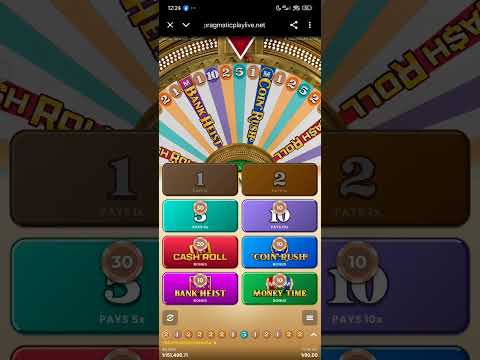
Among live casino game shows, Dream Catcher offers a giant money wheel with a live host, creating a tense spin-and-win rhythm. Monopoly injects a board-game twist: after the host drops a ball onto a wheel, an augmented reality character moves around a 3D board for bonus multipliers. Game shows like Deal or No Deal pit you against the host’s bank offers. Play typically follows this sequence:
- Place your bet on the wheel or contestant case.
- Watch the live spin or box selection unfold.
- Cash out or risk for a bigger payout.
Each round lasts under 30 seconds, making decisions feel immediate.
Technology Powering the Experience
The dealer’s hand hovers over the felt, and your screen displays every angle in real time, powered by a network of 4K cameras and optical sensors that translate physical movement into instant data. Low-latency streaming ensures your chip placement mirrors the table within milliseconds, while edge-computing modules process player inputs without cloud lag. How does this feel natural? It’s because haptic feedback algorithms synchronize the shuffle’s sound and the ball’s spin with your device’s vibration motor, making the digital table respond like a physical one.
Optical Character Recognition and Game Control Units
Optical Character Recognition (OCR) and Game Control Units (GCUs) work together to bridge the physical and digital in live casino. Real-time game data conversion happens when a dealer pulls a card or spins a wheel—the GCU captures every action, OCR instantly reads symbols or numbers, and that data is streamed to your screen. The process follows a clear sequence:
- The GCU captures the physical action via sensors and cameras.
- OCR scans the visual 99xo feed, translating card values or roulette results into digital text.
- This data is synced to the game interface, updating your bet outcomes without delay.
This duo ensures you see every shuffle and spin exactly as it happens, with zero guesswork.
Multiple Camera Angles and Slow-Motion Replays
Multiple camera angles in live casino stream every dealer action from close-up chip stacks to wide table views, letting you switch feeds on your device to catch the exact moment a card is flipped. Slow-motion replays then capture the highest-stakes bets, reviewing that spin or shuffle frame by frame so you can verify the outcome yourself. These replays are not just for clarity; they let you spot subtle dealer techniques or ball bounces you would otherwise miss entirely. Meanwhile, picture-in-picture layouts combine two angles simultaneously, ensuring you never lose sight of the action while scrutinizing a replay. This suite of visual tools makes every hand transparent and deeply interactive for players chasing precision.
Betting Mechanics Unique to Streamed Action
In live casino, streamed action betting mechanics diverge from RNG play by integrating real-time human and environmental factors. The dealer pace directly dictates wager windows; you cannot pause the stream to deliberate, forcing rapid stake decisions before the next card lands or wheel spin commences. Unique bet-behind mechanics allow you to wager on other players at the table, observing their reactions via the stream to gauge confidence. Side bets often trigger based on the dealer’s visible hand or shoe penetration, where the physical card rotation on the stream creates micro-moments for last-second strategic plays. Video latency becomes a betting variable—stake timing must account for stream lag against the real-world table rhythm to avoid missed opportunities or disputed bets.
Side Bets, Insurance, and Progressive Jackpots
Side bets in live casino games, such as Perfect Pairs or 21+3 in blackjack, offer instant payouts for specific hands without altering base gameplay. Insurance acts as a side wager against the dealer having blackjack, typically paying 2:1 but carrying a high house edge. Progressive jackpots pool a small portion of each qualifying bet into a growing prize, often triggered by rare card combinations. Progressive jackpot triggers in live dealer games are random and independent of dealer skill, ensuring fairness. Q: Can side bets and insurance affect my main hand’s outcome? A: No, they are separate wagers; your main bet resolves normally regardless of these ancillary bets.
In-Play Predictions and Quick Decision Windows
In live casino, the window to act on in-play predictions is brutally short, often measured in seconds as the dealer’s hand develops. You must synthesize the visible card flow and dealer pattern instantly, placing your bet before the next action locks. This demands a pre-defined quick-decision strategy, not hesitation. Mastering live stream betting timing allows you to capitalize on shifting odds, such as predicting a dealer bust after a visible weak card, all while the stream continues in real-time. The margin for error is minimal, but the advantage goes to those who decide as the action unfolds.

Mobile Compatibility and User Experience
For a premium live casino experience, mobile compatibility hinges on seamless, low-latency streaming. The interface must dynamically scale across portrait and landscape orientations, ensuring touch-based controls for betting and side bets are highly responsive and uncluttered. A critical user experience factor is the absence of lag during deal timers and chat interactions; any delay breaks immersion. Practically, autoplay features and table selection menus must be optimized for thumb-reach zones, and video feeds should adapt to varying connection speeds without sacrificing dealer visibility. Input validation for chip placement and bet confirmation must be instantaneous on small screens to prevent misclicks.
Touch-Optimized Interfaces for Seamless Participation
Touch-optimized interfaces for seamless participation in live casino environments prioritize finger-friendly button sizing, eliminating the need for precise taps on small dealer controls or betting grids. Gesture-based interactions, such as swiping to place side bets or pinching to view table maps, reduce lag between player intent and action. Responsive haptic feedback confirms each touch input—like chip placement or card hit—minimizing errors during fast-paced rounds. The interface dynamically repositions chat, camera toggle, and bet history icons to the thumb’s natural arc, preventing accidental exits. Q: How does touch optimization prevent accidental double-bets? A: By implementing a brief touchdown delay and visual pop-up confirmation before registering any chip wager, the interface filters out unintended screen grazes.
Wi-Fi vs. Cellular: Ensuring Stable Connections
For live casino streaming, the network choice directly impacts stability. A dedicated mobile-optimized network path is often superior, as cellular data avoids interference from neighbor traffic and router congestion. Wi-Fi, while capable of high bandwidth, suffers from signal degradation through walls and shared local latency spikes. Cellular 4G/5G provides consistent throughput via a direct tower link, reducing jitter during dealer interaction. However, Wi-Fi is viable when positioned close to a router on a 5 GHz band, free from other heavy devices.
- Prioritize cellular 5G for low-jitter streaming in crowded environments
- Use Wi-Fi 6 routers on a dedicated SSID to isolate game traffic
- Toggle airplane mode to force renegotiated cellular handshake
Strategies for Navigating Real Dealers
When facing a real dealer in a live casino, your best strategy is to adjust your tempo to match theirs. If the dealer is slow and chatty, don’t rush your bets; use that extra time to study the shoe. For fast-paced dealers, focus on pushing out your decisions quickly to avoid holding up the table.
Watch the dealer’s shuffle and cut—a lazy cut can reveal if a shoe is rich in high cards, giving you an edge.
Always keep your hands visible and your chips organized, as this builds rapport and speeds up payouts. Avoid blaming the dealer for bad hands—it’s a quick way to get the pit’s attention. Stay cool, and use their rhythm to control the game’s flow.

Bankroll Management in Fast-Paced Rounds
In fast-paced live dealer rounds, the dealer’s rhythm dictates your bet timing, making pre-set session limits critical. You must divide your bankroll into small, equal units before the first spin, betting only one unit per round to survive streaks. Rebetting winners wastes momentum; instead, lock half the profit immediately to protect capital. Never chase losses by doubling bets between quick deals—this drains your roll in minutes. Use the auto-bet pause function to cool down after three consecutive wins or losses. A disciplined unit system transforms speed into an advantage, not a liability.
Unit control in rapid rounds: bet small, lock wins, pause on tilt—survive the rhythm to profit.
Reading Table Trends Without Counting Cards
Reading table trends without counting cards relies on pattern recognition, not arithmetic. Observe dealer push frequency; a dealer who busts three times in five hands may be in a favorable rhythm. Track player decision points—are chasers hitting on 16 against a dealer 10 consistently? This reveals opponent tendencies. Note that short-term streaks rarely predict future outcomes but do inform situational bet sizing. Dealer tempo analysis signals fatigue or comfort: a hurried pitch versus a deliberate shuffle changes hand speed. Use this non-statistical data to adjust session tactics, not to guarantee results.
Regional Variations and Localized Studios
In live casino, regional variations are directly addressed by localized studios that broadcast from specific geographic hubs. A studio in Latin America, for example, films tables with Spanish-speaking dealers and hosts local card games like *Punto Banco* or *Super 6*, rather than generic European blackjack. Similarly, Asian-focused studios operate from dedicated facilities in the Philippines or Malaysia, presenting native game shows (e.g., *Sic Bo* or *Dragon Tiger*) with culturally appropriate table designs, betting limits, and time zones. These localized setups alter the player interface, displaying currency symbols, local payment methods, and regional betting patterns. By physically producing content from these studios, operators ensure the stream reflects the authentic atmosphere and pacing expected by players in that specific market, avoiding generic production styles that lack regional relevance.
European, American, and Asian Table Formats
European, American, and Asian table formats in live casinos directly influence betting layouts and game flow. Regional table format variations dictate crucial differences: European roulette features a single zero and en prison rules, while American tables add a double zero, altering house odds. Asian baccarat tables often incorporate commission-free betting on “Banker” with a distinct six-card payout structure, differing from standard American baccarat. Blackjack tables vary by regional dealing procedures, with European formats requiring the dealer to draw after all players act, contrasting with the American “peek” rule for a natural blackjack.
- European Roulette uses a single zero and “La Partage” options.
- American Roulette includes a double zero, increasing the house edge.
- Asian Punto Banco tables use a “no-commission” variant for side bets.
Language-Specific Croupiers and Custom Stakes
In live casino, language-specific croupiers and custom stakes are not optional extras but core features that localize the gaming experience. Studios deploy native-speaking dealers who banter in the player’s own dialect, bridging cultural comfort zones. Simultaneously, tables offer personalized wagering limits, allowing high rollers in Asia to place astronomical bets while accommodating micro-stakes popular in European markets. This dual customization removes friction; the dealer’s fluency ensures every rule explanation is immediate, while stake increments match regional playing styles exactly, making the game feel purpose-built for each jurisdiction.
Safety Protocols and Fair Play Assurance
In live casinos, real-time encryption scrambles your data mid-stream, while independent auditors verify each card shuffle and wheel spin via high-definition feeds. A dedicated fair-play team spots dealer inconsistencies instantly. Q: How can I confirm a game is fair? A: Look for a visible RNG certificate or auditor badge in the settings menu—every legitimate studio displays this live. This dual shield ensures your stake is never at the mercy of glitch or bias.
RNG Certification for Digital Elements
In live casino environments, digital elements such as automated shuffle machines, random number generators for virtual side bets, and statistical overlays must undergo RNG Certification for Digital Elements to ensure each outcome is statistically independent. Independent testing agencies examine the algorithmic entropy source and verify that no predictive patterns exist. Entropy source validation ensures that the seed generation process is truly non-deterministic. A typical certification sequence includes:
- Algorithm review for cryptographic security
- Test suite execution (e.g., chi-square, runs tests) to confirm uniform distribution
- Ongoing monitoring to detect any drift in randomness over time
This guarantees that every digital outcome remains unbiased, matching the integrity of physical table games.
Regulatory Oversight and Random Card Shuffling
In a live casino, regulatory oversight of random card shuffling ensures the deck integrity you see in real-time. Dedicated monitors from independent testing agencies continuously watch the human dealer’s shuffle via multiple camera angles, verifying no pre-ordering or lazy mixing occurs. Automated shuffling machines, if used, are sealed and audited on-site for true randomness. This oversight means every hand emerges unpredictably, not from dealer skill or pattern, but genuine chance—directly protecting your stake from manipulation.
Regulatory auditors actively verify every shuffle through live camera feeds and sealed machine audits, guaranteeing that each card dealt is a product of verified, uncontrollable chance.
Future Trends Shaping Streamed Table Gaming
The future of streamed table gaming in live casino is being shaped by immersive personalization through AI, where algorithms dynamically adjust camera angles and dealer interaction speeds based on your betting patterns. Expect interactive overlays that let you zoom into shoe decks or access real-time bet histories without disrupting the live feed. A key insight:
Haptic feedback and spatial audio will soon replicate the physical feel of chips and card shuffles, bridging the gap between a screen and a felt-covered table.
This evolution transforms passive viewing into a tactile, responsive experience where every stream feels uniquely tailored to your session, not a generic broadcast.
Augmented Reality Overlays and Haptic Feedback
In live casino, augmented reality overlays transform physical game tables into interactive data portals, projecting real-time odds and card probabilities directly onto your view. This eliminates guesswork, allowing you to make split-second decisions with complete clarity. Meanwhile, haptic feedback delivers tactile confirmations through your screen, simulating the click of a real chip or the vibration of a shuffled deck. Together, they create a seamless tangible gaming experience that bridges the gap between digital convenience and authentic casino sensation, making every virtual interaction feel physically grounded and responsive to your touch.
Cross-Platform Tournaments and VIP Rooms
Cross-platform tournaments unify players from desktop, mobile, and live studio tables into a single competitive pool, eliminating device-based fragmentation. VIP rooms will offer exclusive multi-table tournament access, where high-stakes participants compete across different game variants simultaneously. These rooms feature custom betting limits and private leaderboards, directly linking a player’s mobile and live-table performance for unified ranking.
- Unified player accounts track cross-device hands, blending mobile and live-studio wagering into one tournament score.
- VIP rooms host private round-robin formats, with automated buy-in deductions from linked digital wallets.
- Real-time cross-platform leaderboards display a player’s combined win/loss ratio from mobile and physical table sessions.